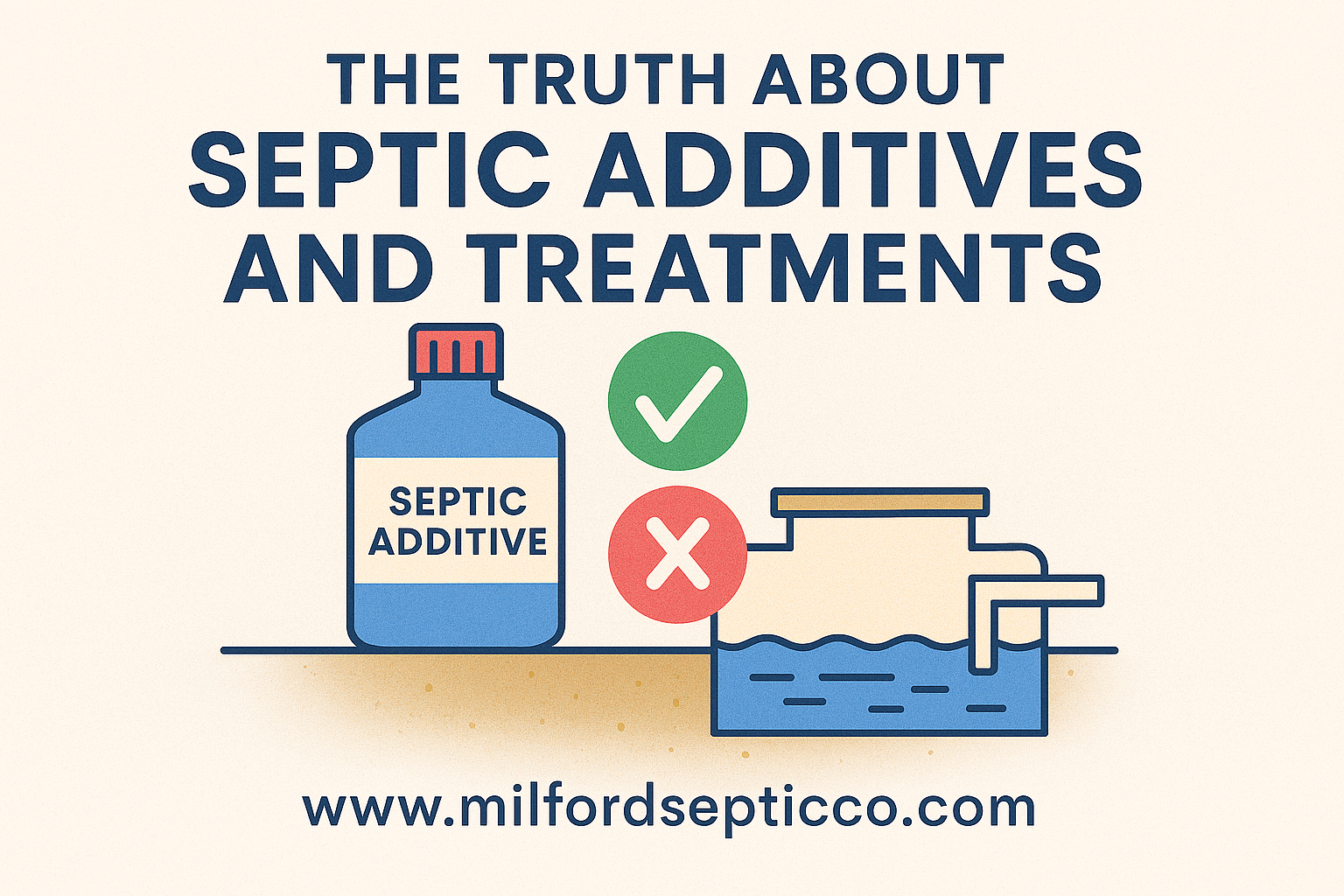
The Truth About Septic Additives and Treatments
Do septic additives really work? Get the facts homeowners need before wasting money or risking damage.
Do They Really Work?
Many homeowners are tempted by septic additives claiming to eliminate pumping or “restore” drain fields. However, the EPA states there is no scientific evidence that additives replace routine maintenance (https://www.epa.gov/septic/septic-tank-additives).
Some additives may actually harm systems by pushing solids into the drain field. State health departments, including Massachusetts, advise homeowners to avoid relying on additives instead of pumping (https://www.mass.gov).
The safest approach is regular inspection, proper pumping, and mindful water use.
For honest, professional advice, trust Milford Septic & Plumbing.
👉 Learn more at https://www.milfordsepticco.com
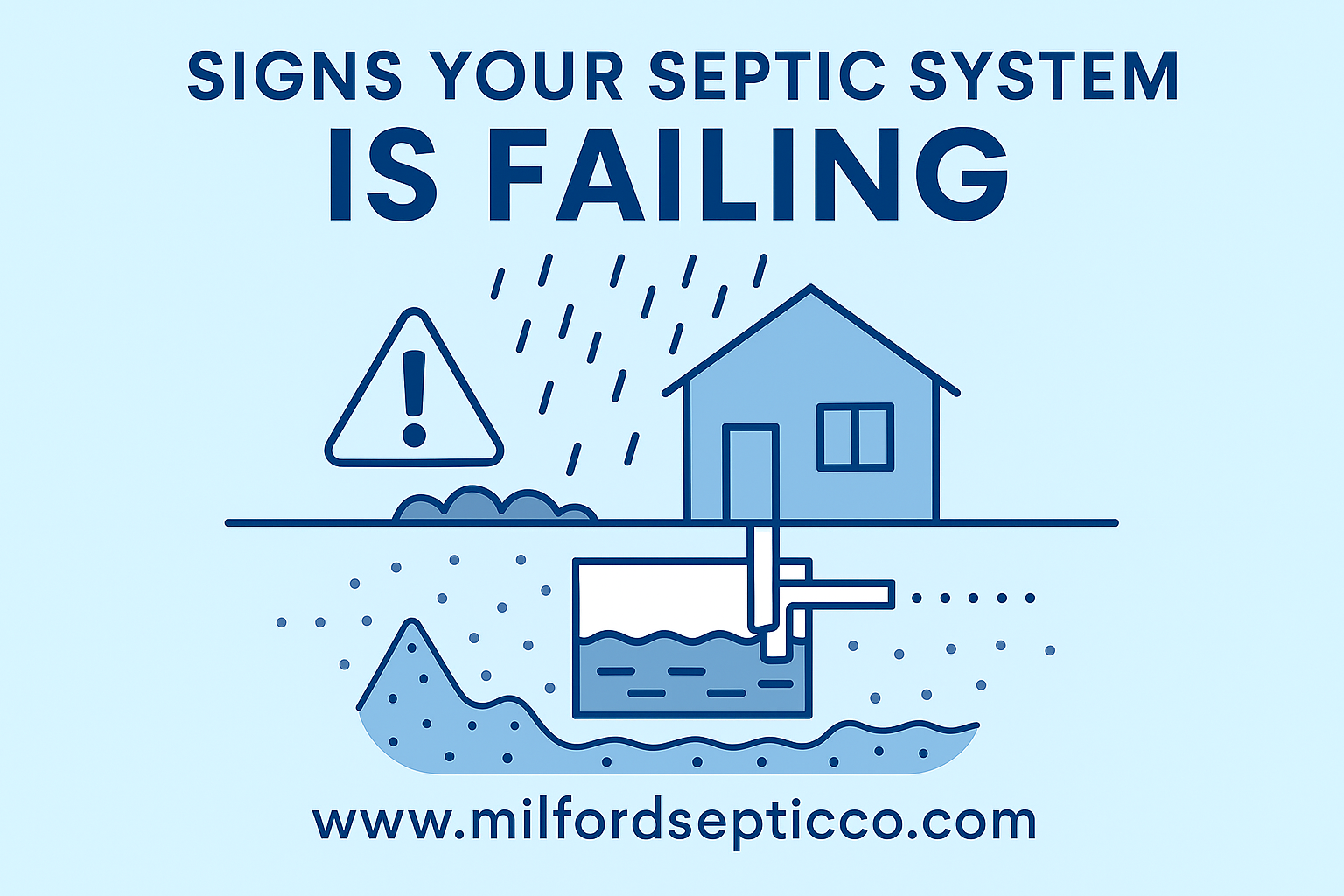
Signs Your Septic System Is Failing
Slow drains, bad odors, and soggy yards may signal septic trouble. Learn the most common failure warning signs.
Don’t Ignore These Red Flags
Septic system problems rarely fix themselves. Early warning signs include slow drains, sewage odors, lush grass near the drain field, and standing water after light rainfall.
The CDC warns that failing septic systems can expose households to harmful bacteria and contaminate nearby water sources (https://www.cdc.gov/healthywater/environmental/wastewater/septic.html). The EPA further emphasizes that early intervention can often prevent complete system failure (https://www.epa.gov/septic).
If you notice these symptoms, immediate inspection is critical. Delaying repairs can lead to backups into your home and extensive environmental damage.
Milford Septic & Plumbing offers fast, professional diagnostics to identify issues before they worsen.
👉 Contact us at https://www.milfordsepticco.com
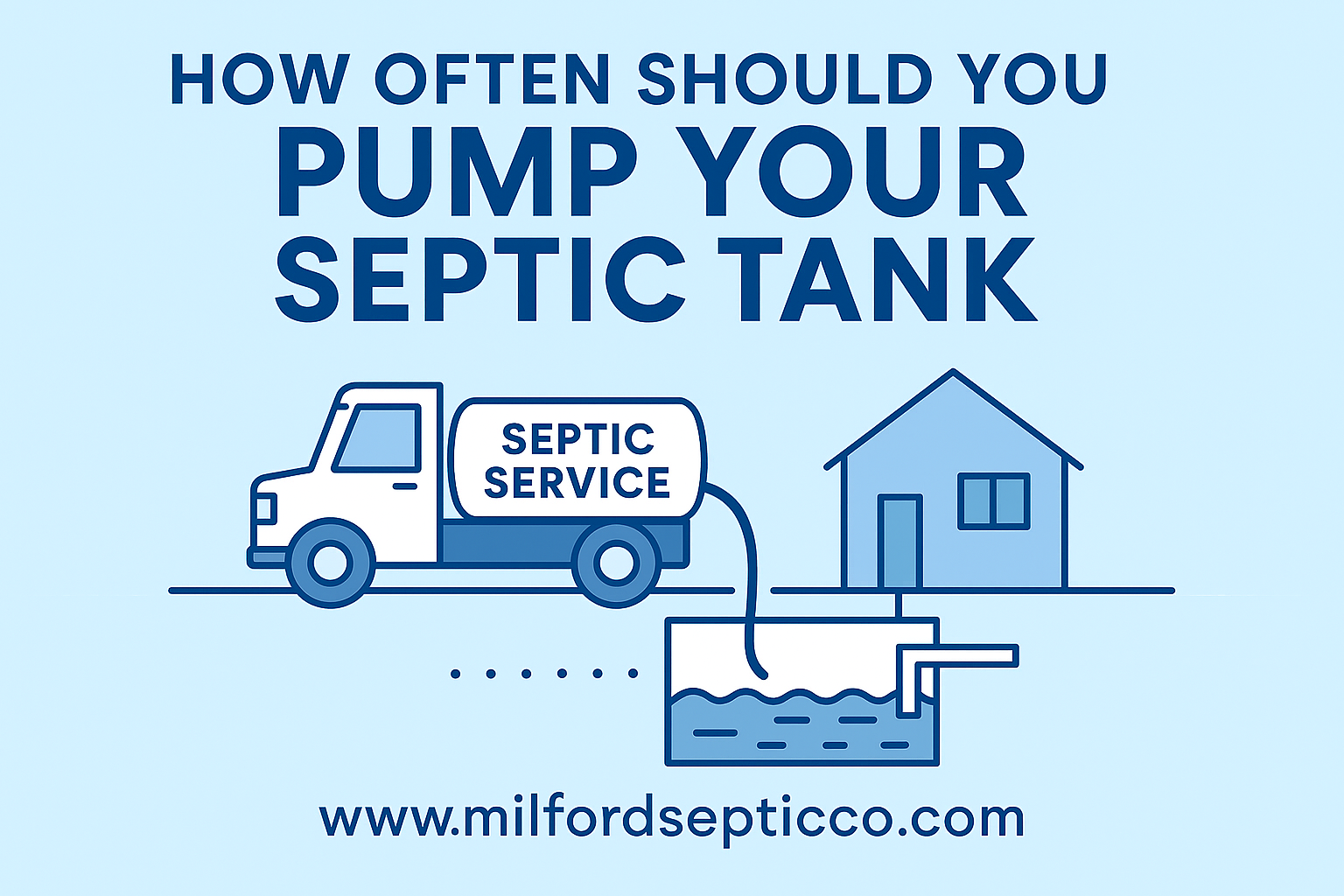
How Often Should You Pump Your Septic Tank?
Find out how often your septic tank should be pumped based on household size, water use, and system design.
A Simple Guide for Homeowners
One of the most common questions homeowners ask is how often a septic tank should be pumped. The answer depends on household size, water usage, and tank capacity.
The EPA recommends pumping most residential septic tanks every 3–5 years, but homes with larger families or garbage disposals may need service sooner (https://www.epa.gov/septic/how-care-your-septic-system). Allowing the tank to overfill causes solids to flow into the drain field, where they clog soil pores and reduce system lifespan.
University extension programs also advise keeping maintenance records and scheduling inspections to avoid guesswork (https://extension.umn.edu).
Regular pumping costs far less than repairing or replacing a failed septic system. Preventative maintenance can save homeowners tens of thousands of dollars over time.
Milford Septic & Plumbing provides routine pumping schedules designed to fit your home and usage patterns.
👉 Book septic pumping at https://www.milfordsepticco.com

10 Things You Should Never Flush Down the Toilet
Toilet illustration showing items that should never be flushed. Flushing the wrong items can clog pipes and destroy septic systems. Learn what should never go down your toilet.
Protect Your Plumbing and Septic System
Despite popular marketing claims, not everything labeled “flushable” belongs in your toilet. Flushing the wrong items can clog pipes, overload your septic system, and damage the drain field.
Common culprits include wipes, feminine hygiene products, paper towels, cotton swabs, dental floss, grease, and medications. Even “flushable” wipes do not break down like toilet paper. The EPA warns that these items can accumulate in septic tanks and lead to backups or system failure (https://www.epa.gov/septic/do-not-flush-these-items-your-drains).
For homeowners on septic, these materials increase solids in the tank, requiring more frequent pumping. They can also block outlet filters and reduce drain field efficiency. The National Association of Clean Water Agencies notes that improper flushing is a major cause of wastewater system problems nationwide (https://www.nacwa.org).
The simple rule: only human waste and toilet paper should be flushed.
If your drains are already slow or backing up, Milford Septic & Plumbing offers professional drain and septic services to restore proper flow.
👉 Schedule service at https://www.milfordsepticco.com
10 Things You Should Never Flush Down the Toilet
Protect Your Plumbing and Septic System
Despite popular marketing claims, not everything labeled “flushable” belongs in your toilet. Flushing the wrong items can clog pipes, overload your septic system, and damage the drain field.
Common culprits include wipes, feminine hygiene products, paper towels, cotton swabs, dental floss, grease, and medications. Even “flushable” wipes do not break down like toilet paper. The EPA warns that these items can accumulate in septic tanks and lead to backups or system failure (https://www.epa.gov/septic/do-not-flush-these-items-your-drains).
For homeowners on septic, these materials increase solids in the tank, requiring more frequent pumping. They can also block outlet filters and reduce drain field efficiency. The National Association of Clean Water Agencies notes that improper flushing is a major cause of wastewater system problems nationwide (https://www.nacwa.org).
The simple rule: only human waste and toilet paper should be flushed.
If your drains are already slow or backing up, Milford Septic & Plumbing offers professional drain and septic services to restore proper flow.
👉 Schedule service at https://www.milfordsepticco.com
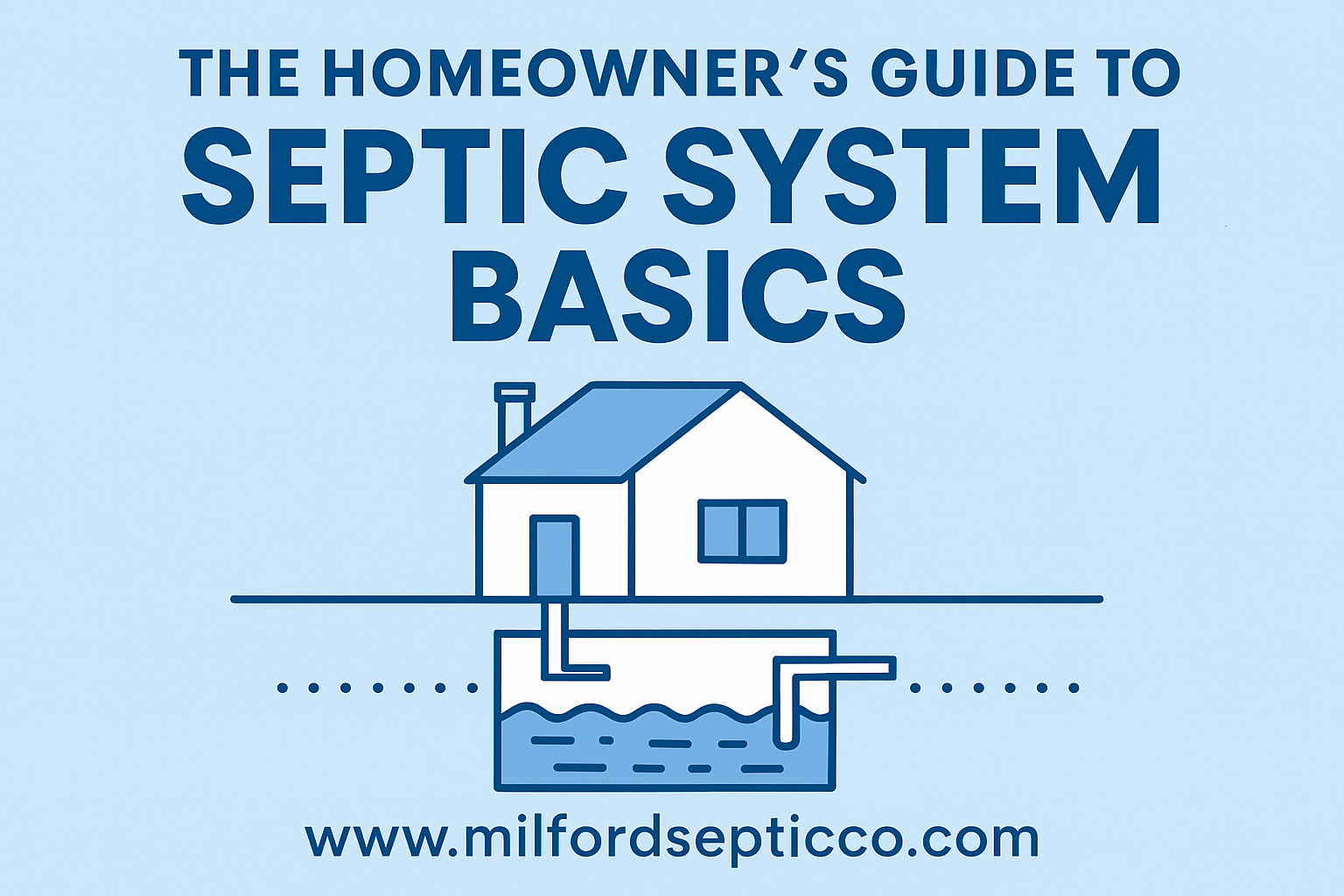
The Homeowner’s Guide to Septic System Basics
Illustrated home with septic tank and underground pipes (clean, educational style)
What Every Homeowner Should Know
For homeowners with septic systems, understanding the basics is essential for protecting your property, your health, and your wallet. Septic systems quietly manage wastewater every day, but when neglected, they can cause serious (and expensive) problems.
A typical septic system consists of a tank and a drain field. Wastewater flows from your home into the tank, where solids settle to the bottom and lighter materials float to the top. Bacteria naturally break down some waste, while the remaining liquid flows into the drain field for soil filtration. According to the U.S. Environmental Protection Agency (EPA), properly maintained septic systems can last 20–30 years or more (https://www.epa.gov/septic).
Homeowners often don’t realize their system needs attention until there’s an issue. Warning signs include slow drains, gurgling pipes, sewage odors, and wet areas near the drain field. Ignoring these symptoms can result in system failure, groundwater contamination, and costly repairs.
Routine pumping and inspections are the best way to prevent problems. The EPA and Centers for Disease Control and Prevention (CDC) both emphasize that regular septic maintenance protects drinking water sources and public health (https://www.cdc.gov/healthywater/environmental/wastewater/septic.html).
If you’re unsure about the condition of your system or want to establish a maintenance plan, Milford Septic & Plumbing can help. Our experienced team provides inspections, pumping, and expert guidance tailored to your household’s needs.
👉 Learn more at https://www.milfordsepticco.com
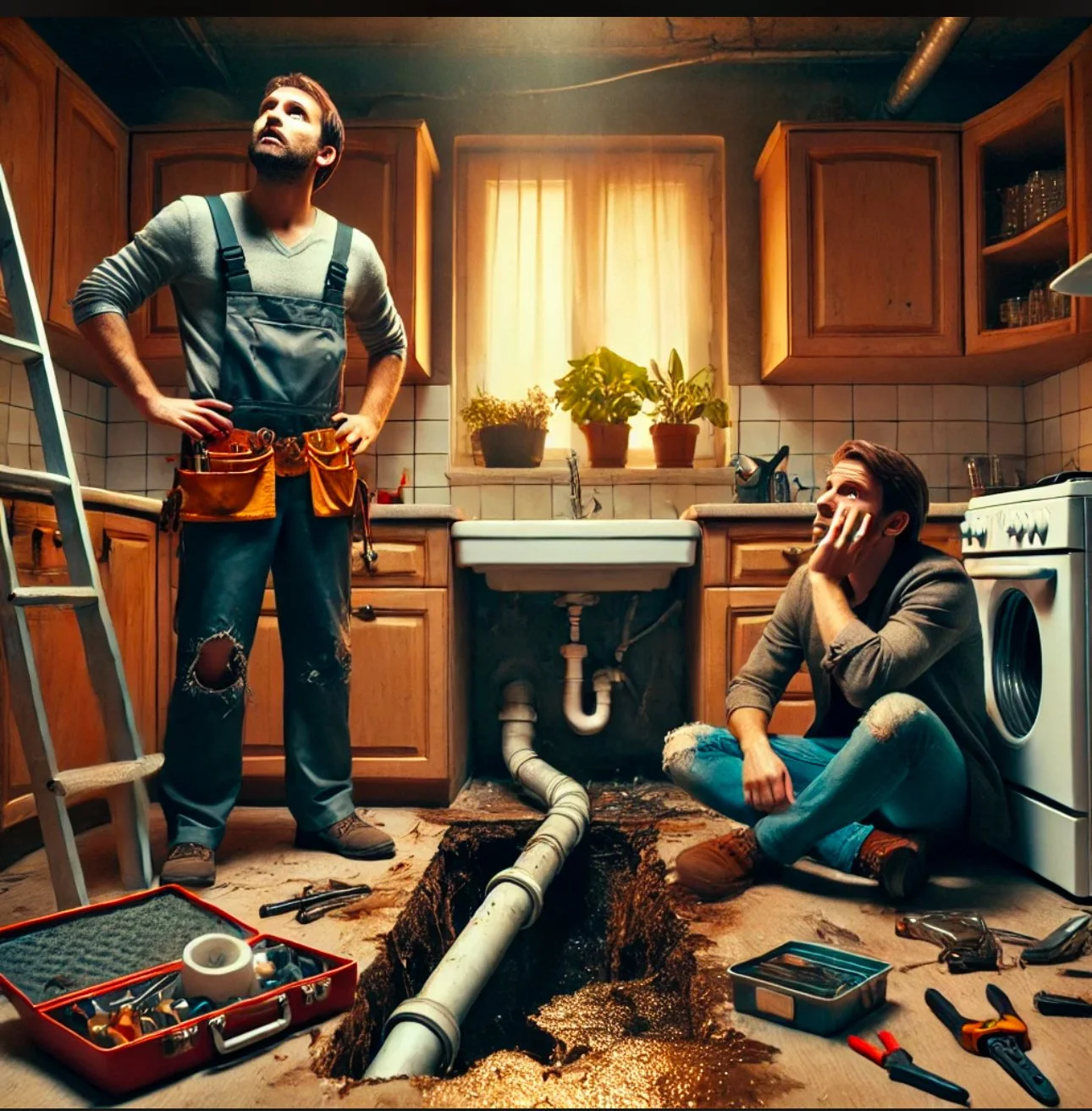
Why Cheap Plumbing or Septic Services Could Cost You Thousands Later
An eye-opening visual of underpaid septic and plumbing workers using improper methods to repair a plumbing issue in a home —revealing the hidden cost of hiring cheap labor in the trades.
Why Cheap Plumbing or Septic Services Could Cost You Thousands Later
When it comes to plumbing and septic services, the cheapest option is rarely the best. In fact, cutting corners with unlicensed or uninsured providers can lead to serious—and costly—problems down the road. At Milford Septic Co., we’ve seen firsthand how poor workmanship can result in property damage, code violations, and even denied insurance claims.
The Real Cost of “Cheap” Plumbing and Septic Work
You might find someone offering to pump your septic tank or fix a pipe for half the price of a licensed contractor. But here’s what they don’t tell you:
They may not carry liability insurance. If something goes wrong—like a flood or sewage backup—you could be stuck with the repair bill.
They may not follow local or state codes, which can lead to fines or failed inspections.
Your homeowner’s insurance may not cover damages caused by unlicensed work.
According to the Georgia Secretary of State, only licensed professionals are legally allowed to perform certain plumbing and septic services. If you hire someone without a license, you’re taking a big risk.
Why Licensing and Insurance Matter
A licensed septic contractor has passed exams, undergone training, and follows strict regulations. They also carry insurance to protect you and your property. At Milford Septic Co., we are fully licensed and insured for all septic and plumbing services in Ellijay, GA, and the surrounding North Georgia and Atlanta metro areas.
To learn more about how to identify reputable contractors and why licensing matters, check out these industry resources:
Georgia Secretary of State – Verify Professional Licenses:
https://sos.ga.gov/how-to-guide/how-guide-verify-professional-licenseBetter Business Bureau – Why Hire Licensed and Insured Contractors:
https://www.bbb.org/article/news-releases/21905-bbb-tip-hiring-a-contractorHomeAdvisor – What to Know Before Hiring a Plumber or Septic Company:
https://www.homeadvisor.com/r/hiring-a-plumber/
Why Prices Are Rising—and Why It’s Worth It
We understand that pricing is a concern for homeowners and business owners alike. At Milford Septic Co., we strive to remain competitive, but we’re also transparent about the rising costs in our industry. These include:
Increased material and equipment costs
Higher insurance premiums
State licensing fees
Ongoing training and certification requirements
These costs ensure we can provide safe, reliable, and code-compliant services—something a handyman simply can’t guarantee.
Protect Your Investment
Your home is one of your biggest investments. Don’t risk it by hiring someone who isn’t qualified. Whether you’re a homeowner, renter, or business owner, always ask for proof of licensing and insurance before agreeing to any plumbing or septic work.
If you're in North Georgia or the Atlanta area, call Milford Septic Co. today for a quote or consultation. We’re proud to offer professional, affordable, and fully insured services.
Contact Milford Septic Co.
Website: www.milfordsepticco.com
Phone: 470-533-7385
Service Area: Ellijay, GA | North Georgia | Atlanta Metro
The Essential Guide to Septic System Maintenance in North Georgia
Septic system maintenance in North Georgia by Milford Septic Co. Tips for every homeowner with septic needs. Septicpump out and cleaning and clean out tips. Pump out my septic system.
If you own a home or business with a septic system, regular maintenance is crucial to keep it functioning properly. A neglected system can lead to costly repairs, unpleasant odors, and even environmental hazards. In North Georgia, homeowners rely on Milford Septic for professional, affordable septic services, ensuring their systems run efficiently for years to come.
How a Septic System Works
A septic system is an underground wastewater treatment structure commonly used in rural areas where centralized sewer systems are unavailable. It consists of:
A septic tank – Separates solids from wastewater and allows the breakdown of organic matter.
A drain field (leach field) – Distributes treated water back into the soil.
Regular pumping and maintenance are essential to prevent system failures, backups, and contamination of groundwater.
Signs That Your Septic Tank Needs Pumping
Septic tanks should generally be pumped every 3-5 years, depending on household size, usage, and tank capacity. Watch for these warning signs that your system needs immediate attention:
✅ Slow drains and toilets – If sinks, tubs, or toilets are slow to drain, your tank may be full.
✅ Foul odors – A strong sewage smell around your yard or inside your home is a clear indicator.
✅ Standing water in your yard – Puddles near the drain field suggest overflow issues.
✅ Sewage backup – Raw sewage coming up through toilets or drains is a serious health hazard.
If you notice any of these signs, contact a professional septic service like Milford Septic immediately.
The Importance of Regular Septic Pumping
Routine septic pumping is not just about preventing backups—it extends the life of your system and protects your property and the environment. Here’s why it’s essential:
Prevents Costly Repairs – Regular maintenance helps you avoid expensive drain field replacements or system failures.
Protects Groundwater – A neglected septic system can leak harmful bacteria into nearby water sources.
Increases Efficiency – A pumped and well-maintained tank allows wastewater to flow properly.
For professional and affordable septic services in North Georgia, Milford Septic offers expert pumping, inspections, and repairs to keep your system in top condition.
How Often Should You Pump Your Septic Tank?
The frequency of pumping depends on several factors, including:
Household SizeTank Size (Gallons)Pumping Frequency1-2 People1,000Every 5 years3-5 People1,500Every 3-4 years6+ People2,000+Every 2-3 years
A professional inspection can help determine the ideal pumping schedule for your home.
Why Choose Milford Septic for Your Septic Pumping Needs?
As a trusted septic company in North Georgia, Milford Septic offers:
✔ Reliable & Affordable Services – Transparent pricing with no hidden fees.
✔ Experienced Technicians – Skilled professionals who ensure your system runs smoothly.
✔ Emergency Septic Services – Fast response times when you need urgent assistance.
✔ Local & Family-Owned – Dedicated to serving North Georgia residents with high-quality septic solutions.
Visit Milford Septic at https://milfordseptic.com to schedule your septic tank pumping today!
Additional Septic System Resources
For more expert information on septic system care, check out these reputable sources:
EPA Septic System Guidelines – https://www.epa.gov/septic
National Environmental Services Center – https://www.nesc.wvu.edu
Georgia Department of Public Health – Septic Information – https://dph.georgia.gov/environmental-health/septic
Taking care of your septic system today prevents major headaches down the road. Contact Milford Septic for professional service and keep your system running efficiently!
How to Prevent Frozen Pipes and When to Call a Plumber
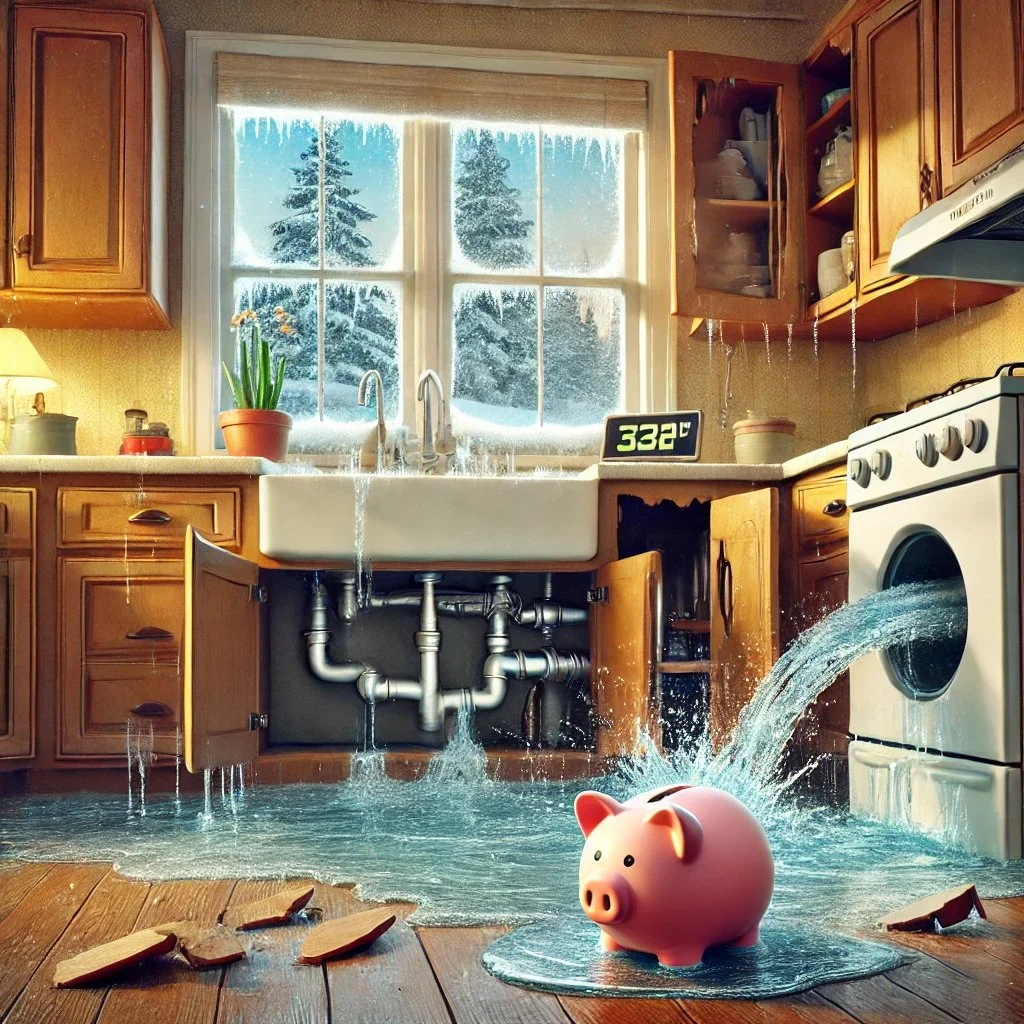
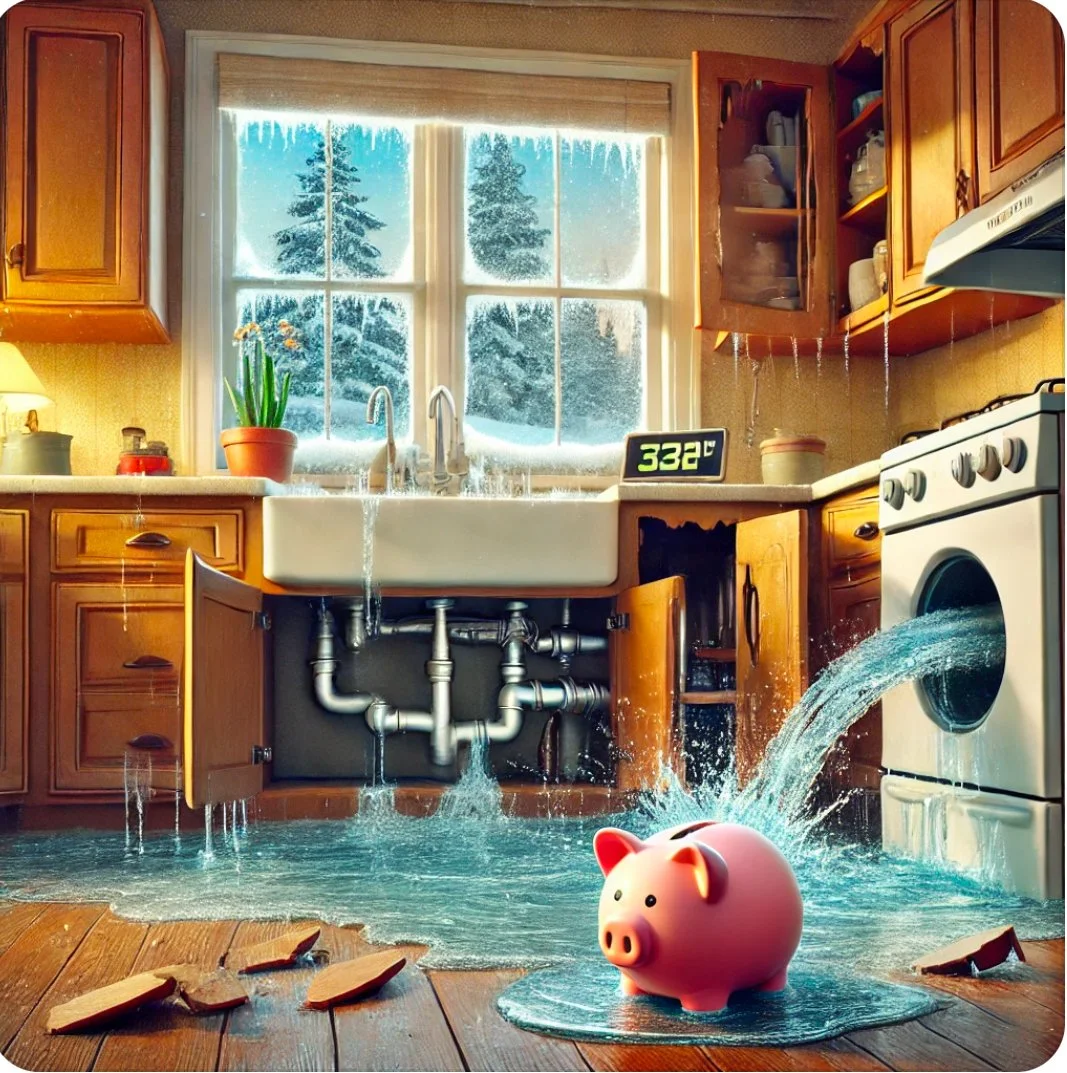
The kitchen is warm and inviting, but the chaos from the burst pipes is evident. A cracked piggy bank on the floor represents losing money from the damage. Snow is visible through the window, and the thermostat shows a temperature below 32°F, highlighting the cold weather outside. This humorous image illustrates the consequences of not preventing frozen pipes, adding a lighthearted touch to the blog while emphasizing the importance of taking preventive measures.
How to Prevent Frozen Pipes and When to Call a Plumber
Winter is here, and with it comes the risk of frozen pipes—a common yet potentially costly problem for homeowners. Understanding how to prevent frozen pipes and knowing when to call a professional plumber can save you time, stress, and money. In this post, we'll cover essential tips to keep your pipes safe during cold weather and guide you on when to seek expert help.
Why Do Pipes Freeze?
When temperatures drop, the water inside your pipes can freeze and expand, causing the pipes to crack or burst. This can lead to significant water damage and costly repairs. Pipes located in unheated areas like basements, attics, and garages, or those running along exterior walls, are particularly susceptible.
Preventing Frozen Pipes
1. **Insulate Your Pipes**: Use pipe insulation on exposed pipes in unheated areas. Foam rubber or fiberglass sleeves are effective and easy to install.
- Example product: https://www.homedepot.com/b/Plumbing-Pipe-Insulation/N-5yc1vZbuy9
2. **Seal Cracks and Openings**: Check for gaps around pipes where cold air might enter. Use caulk or spray foam to seal these openings.
- Tips on sealing gaps: https://www.energy.gov/energysaver/caulking
3. **Keep Your Home Warm**: Maintain a consistent temperature inside your home, even when you're away. Set the thermostat to no lower than 55°F (12°C).
4. **Open Cabinet Doors**: Allow warm air to circulate around pipes under sinks by opening cabinet doors. This is especially important for kitchen and bathroom sinks located on exterior walls.
5. **Let Faucets Drip**: During extreme cold, let faucets drip slightly. The running water helps prevent pipes from freezing.
- More on this tip: https://www.aarp.org/home-family/your-home/info-2020/how-to-prevent-pipes-from-freezing.html
What to Do If Your Pipes Freeze
1. **Thawing Frozen Pipes**: If you discover a frozen pipe, act quickly to thaw it safely. Use a hairdryer, heat lamp, or electric heating pad applied directly to the pipe. Start from the faucet and work your way back toward the frozen section. Never use an open flame or propane heater.
- Detailed guide on thawing pipes: https://www.thisoldhouse.com/plumbing/21015175/how-to-thaw-a-frozen-pipe
2. **Check for Leaks**: Once the pipe is thawed, check for leaks or cracks. Even a small crack can lead to a significant water leak.
When to Call a Plumber
If you can't locate the frozen section of the pipe, are unable to thaw the pipe, or discover any damage after thawing, it's time to call a professional plumber. At Milford Septic Co. LLC, we specialize in handling frozen pipes and other plumbing emergencies with expertise and efficiency.
Visit our website for more information or to schedule a service: https://www.milfordsepticco.com
By following these preventative measures, you can reduce the risk of frozen pipes and protect your home from potential water damage. However, if you encounter any issues, don't hesitate to seek professional help.
For additional tips and resources, check out these reputable sources:
- American Red Cross: https://www.redcross.org/get-help/how-to-prepare-for-emergencies/types-of-emergencies/winter-storm/frozen-pipes.html
- National Weather Service: https://www.weather.gov/safety/winter
Remember, a little preparation goes a long way in preventing frozen pipes and ensuring your home's plumbing system remains in good working order throughout the winter.
If your in North Georgia, message one of our service team members at https://www.milfordsepticco.com