How to Prevent Frozen Pipes and When to Call a Plumber
How to Prevent Frozen Pipes and When to Call a Plumber
Winter is here, and with it comes the risk of frozen pipes—a common yet potentially costly problem for homeowners. Understanding how to prevent frozen pipes and knowing when to call a professional plumber can save you time, stress, and money. In this post, we'll cover essential tips to keep your pipes safe during cold weather and guide you on when to seek expert help.
Why Do Pipes Freeze?
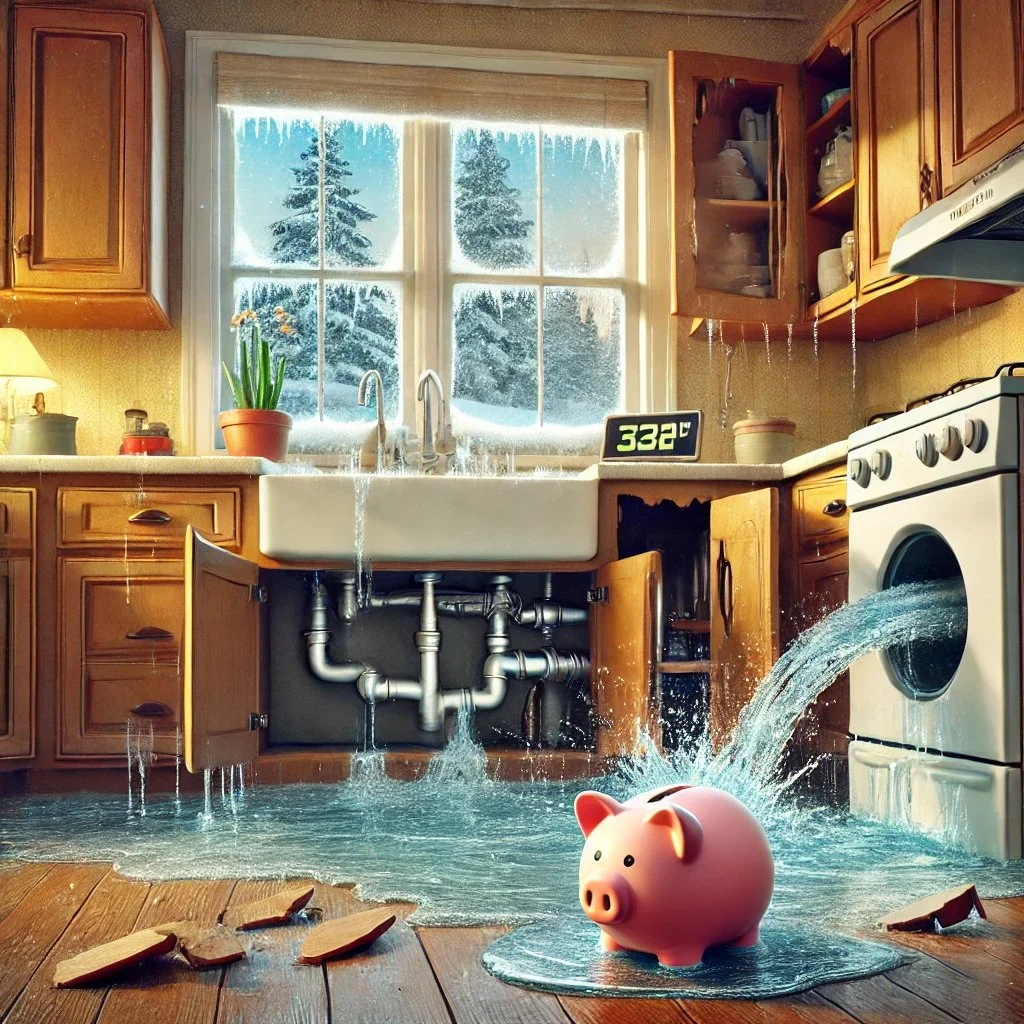
When temperatures drop, the water inside your pipes can freeze and expand, causing the pipes to crack or burst. This can lead to significant water damage and costly repairs. Pipes located in unheated areas like basements, attics, and garages, or those running along exterior walls, are particularly susceptible.
Preventing Frozen Pipes
1. **Insulate Your Pipes**: Use pipe insulation on exposed pipes in unheated areas. Foam rubber or fiberglass sleeves are effective and easy to install.
- Example product: https://www.homedepot.com/b/Plumbing-Pipe-Insulation/N-5yc1vZbuy9
2. **Seal Cracks and Openings**: Check for gaps around pipes where cold air might enter. Use caulk or spray foam to seal these openings.
- Tips on sealing gaps: https://www.energy.gov/energysaver/caulking
3. **Keep Your Home Warm**: Maintain a consistent temperature inside your home, even when you're away. Set the thermostat to no lower than 55°F (12°C).
4. **Open Cabinet Doors**: Allow warm air to circulate around pipes under sinks by opening cabinet doors. This is especially important for kitchen and bathroom sinks located on exterior walls.
5. **Let Faucets Drip**: During extreme cold, let faucets drip slightly. The running water helps prevent pipes from freezing.
- More on this tip: https://www.aarp.org/home-family/your-home/info-2020/how-to-prevent-pipes-from-freezing.html
What to Do If Your Pipes Freeze
1. **Thawing Frozen Pipes**: If you discover a frozen pipe, act quickly to thaw it safely. Use a hairdryer, heat lamp, or electric heating pad applied directly to the pipe. Start from the faucet and work your way back toward the frozen section. Never use an open flame or propane heater.
- Detailed guide on thawing pipes: https://www.thisoldhouse.com/plumbing/21015175/how-to-thaw-a-frozen-pipe
2. **Check for Leaks**: Once the pipe is thawed, check for leaks or cracks. Even a small crack can lead to a significant water leak.
When to Call a Plumber
If you can't locate the frozen section of the pipe, are unable to thaw the pipe, or discover any damage after thawing, it's time to call a professional plumber. At Milford Septic Co. LLC, we specialize in handling frozen pipes and other plumbing emergencies with expertise and efficiency.
Visit our website for more information or to schedule a service: https://www.milfordsepticco.com
By following these preventative measures, you can reduce the risk of frozen pipes and protect your home from potential water damage. However, if you encounter any issues, don't hesitate to seek professional help.
For additional tips and resources, check out these reputable sources:
- American Red Cross: https://www.redcross.org/get-help/how-to-prepare-for-emergencies/types-of-emergencies/winter-storm/frozen-pipes.html
- National Weather Service: https://www.weather.gov/safety/winter
Remember, a little preparation goes a long way in preventing frozen pipes and ensuring your home's plumbing system remains in good working order throughout the winter.
If your in North Georgia, message one of our service team members at https://www.milfordsepticco.com